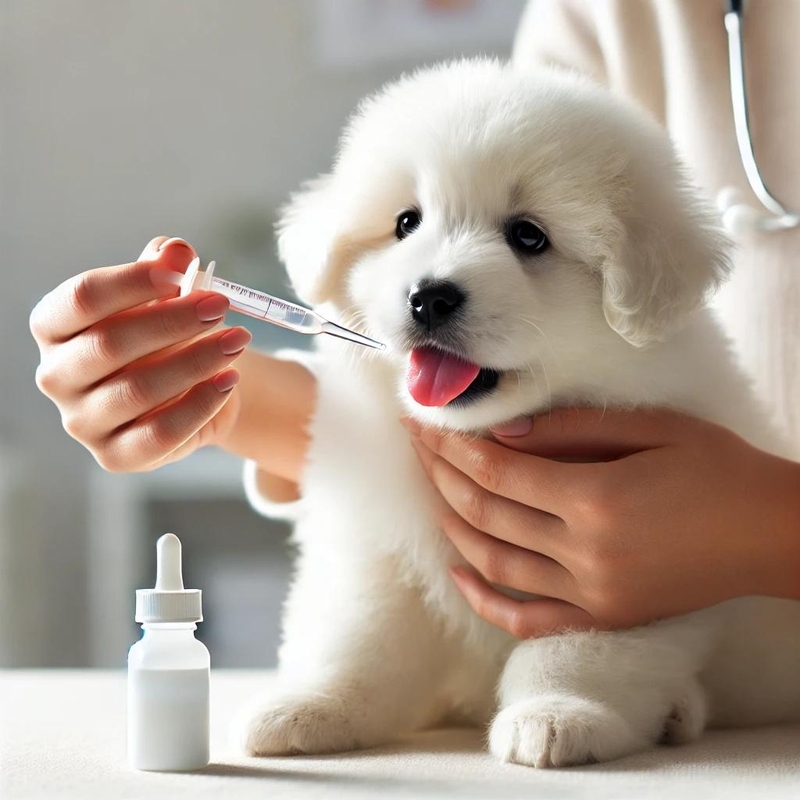
Why Your Pet Needs to be Dewormed
Worms. Yuck! It is not something we like to think about, but it is a reality for most pet owners. Many people are confused about what deworming is and how it differs from vaccinations. Let me clear up any confusion right away: vaccinations and deworming are two completely different things. Vaccinations are injections given to prevent diseases, while deworming is done to rid your pet of worms and parasites. Yes, worms and parasites are the same thing.
Every Puppy Has Worms
Most puppies are born with worms. It is just part of life, and it is something that you will have to continue to manage even after bringing your puppy home. It does not matter if you bought your puppy from a reputable breeder, a cheap breeder, or even a veterinarian, puppies will have worms, and it is your responsibility to deworm them.
Some breeders might not even mention deworming, which could lead to problems down the road. This is especially common if you bought your puppy from someone who was more interested in getting your money than the well-being of the puppy. Responsible breeders, on the other hand, will always tell you when your puppy was last dewormed and advise you to continue the process at home. Deworming is a necessary part of keeping your puppy healthy.
I have had customers express frustration about having to deal with deworming, but owning a puppy involves work. Deworming is just part of responsible pet care.
Chemical Dewormers vs. Natural Dewormers
Almost all breeders use chemical dewormers, which can be found at stores like Walmart or obtained from their veterinarian. However, we have found that relying solely on chemical dewormers does not do the job well enough. Likewise, using only natural remedies does not always completely rid a puppy of worms.
The best method we have discovered is to use a combination of both natural and chemical dewormers. Young puppies should be dewormed every two weeks until they are about four months old. After that, once a month should be sufficient. I will provide you with a deworming schedule when you pick up your puppy. If you choose to only use natural remedies, it is essential that you take a stool sample to the vet regularly to check for parasites.
In my own care, I begin deworming puppies at two weeks of age and continue until they go to their new homes.
The Power of Essential Oils in Deworming
One of the things I use in my deworming regimen is an essential oil blend called Essential Pet Deworming Aid. Essential oils are incredibly potent as they are made by condensing herbs into highly concentrated medicinal oils. This is much more powerful than using herbs in their raw form, which I used to do.
I cannot emphasize enough how important it is to use high-quality essential oils. The purity and source of the oil make all the difference. Since switching to high-grade essential oils, I have been amazed by the results. They work incredibly well for deworming, and I wish I had discovered this years ago!
I use this essential oil blend once a month to deworm not only my puppies but also my adult dogs and all of our other furry friends. The blend contains powerful deworming ingredients like wormwood, chamomile, coriander, fennel, oregano, and peppermint.
Other Natural Dewormers I Use
Along with the essential oils, I use a combination of other natural remedies to keep my pets free of worms. Here are a few of my favorites:
- Garlic (organic): Garlic is a wonderful natural antibiotic, antifungal, and antibacterial. I use it raw and mix it into their food. Garlic is safe for dogs and is an excellent addition to their deworming routine. Just to clarify, garlic and onions are related but very different. While onions are harmful to dogs, garlic is not.
- Fresh Water Diatomaceous Earth: I use this every day as a preventative, although it can also be used as a treatment. I often increase the amount I give when I am actively deworming my pets.
- California Desert Clay: This is another fantastic natural remedy. It can be given either orally or rectally and is said to make it impossible for parasites to live in the body.
- Colloidal Silver: Colloidal silver is a natural antibiotic that I would not be without. It helps with overall health and also supports the immune system.
- Apple Cider Vinegar and Coconut Oil: These are also great dewormers. I add them to my pets’ food for an extra boost.
- Carrots (organic and grated): Carrots are roughage that help pull the worms out of the body. They are also packed with vitamins and minerals that support your puppy’s overall health. Carrots are good for their eyes, bones, teeth, and liver.
- Parsley (fresh and organic): I simmer fresh parsley in water for about 30 minutes, let it cool, and add it to my pets’ drinking water. Parsley is great for their kidneys and is a natural detoxifier.
- Pumpkin Seeds (also called Pepitas): Raw pumpkin seeds are an excellent natural dewormer. I grind them up and add about half a teaspoon to my pets’ food each day.
The Importance of Regular Deworming
Deworming is not a one-time thing. It is something that needs to be done regularly throughout your pet’s life. Puppies are more susceptible to worms and need more frequent deworming, but even adult dogs should be dewormed once a month to keep them healthy.
Remember, worms are a natural part of life, but that does not mean they should be ignored. Keeping your dog free of parasites will ensure they live a long, healthy life. Deworming may seem like a hassle at first, but it is an essential part of pet ownership.
A Final Word on Deworming
Taking care of your pet’s health involves more than just feeding them and giving them water. Deworming is a crucial part of their well-being and cannot be overlooked. Whether you choose to use natural remedies, chemical treatments, or a combination of both, the important thing is that you are taking steps to keep your pet worm-free.
When you deworm your dog regularly, you are not only protecting their health, but also preventing future health problems that could arise from untreated worm infestations. Make sure to follow a proper deworming schedule, and feel free to reach out to me with any questions or concerns.
In the end, a healthy pet is a happy pet, and keeping your dog free from parasites is one of the best ways to ensure they live a long, joyful life!