How Your Puppy Grows and How to Care for Them
Raising a happy, healthy puppy involves more than just love and playtime. One of the most important aspects of care that often gets overlooked is dental hygiene. While you may be tempted to rush out and get your puppy’s teeth professionally cleaned, let me share some valuable insights and natural alternatives that work wonders, without the risks of anesthesia or harmful chemicals.
The Basics: Teeth and Development
Puppies, like human babies, are born without teeth. Around two weeks of age, their first teeth begin to come in. These are temporary teeth, and eventually, they’ll have a set of 28 baby teeth. As they grow, these teeth will fall out and make room for their permanent adult teeth, which include 42 teeth in total.
The first teeth to fall out are typically the incisors, followed by the premolars and canines. Interestingly, puppies do not have molars like adult dogs, only premolars. Their upper and lower canines, which are the larger teeth located toward the back, also begin to grow in.
The Hidden Dangers of Grain in Dog Food
Carbohydrates, especially grains found in many commercial dog foods and treats, can cause significant harm to your dog’s teeth. These carbs convert to sugar, which leads to an increase in tartar buildup. Over time, this can cause periodontal disease. Grain-based diets not only contribute to dental issues, but they also make your dog’s body more acidic, which compromises overall health.
That’s why I always recommend grain-free dog foods, and you can learn more about this on my Dog Food Page. Your dog’s food plays a crucial role in their dental health, and switching to a grain-free diet can make a world of difference.
The Importance of Alkalinity
To counter the acidic effects of grains, I use Apple Cider Vinegar to keep my dogs’ bodies in an alkaline state. Keeping the body alkaline helps prevent disease and promotes better overall health, including oral health.
Statistics show that 85% of dogs two years of age and older have periodontal disease, but I firmly believe that this number reflects dogs raised on poor diets full of grains, chemicals, and unnecessary medications. By raising your dog the right way, on a wholesome, grain-free diet and without harmful additives, you can greatly reduce the likelihood of these issues.
Caring for Your Dog’s Teeth
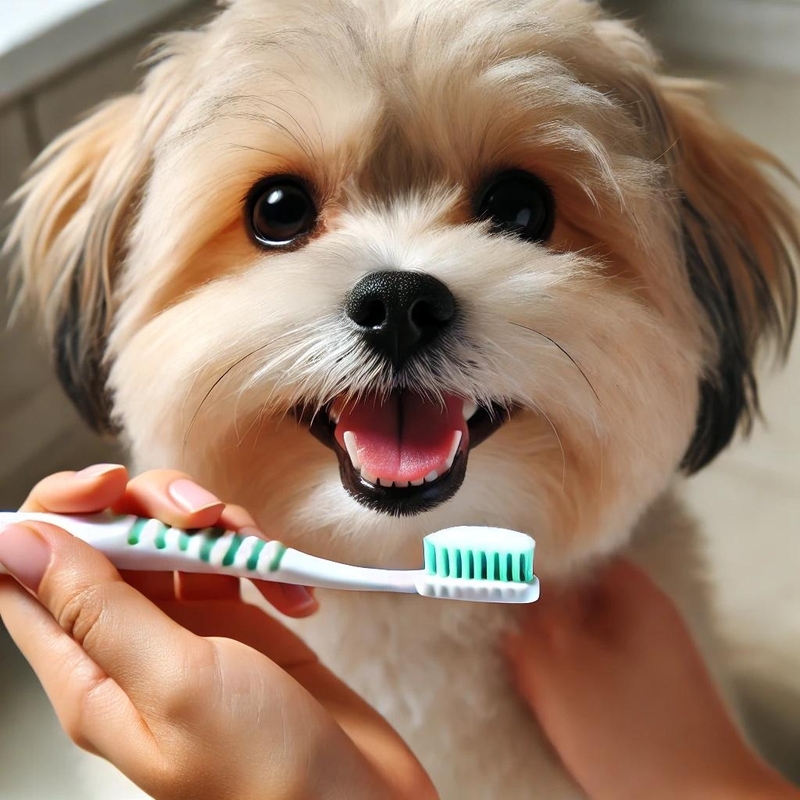
You can easily keep your dog’s teeth healthy by adding a few things to their diet and practicing regular dental care. Brushing your dog’s teeth once or twice a week is important, but there are other steps you can take to support their dental health naturally.
Apples are excellent for cleaning teeth. Just wash, de-core, and slice an apple for your dog to enjoy. They love them, and they help remove bacteria and food particles from the teeth. Just remember to avoid the seeds, as they contain arsenic, which is poisonous to dogs.
Carrots and celery also help remove bacteria and food particles from the teeth, making them a great addition to your dog’s diet.
Vitamin C: A Crucial Nutrient
Vitamin C is incredibly important for your dog’s overall health, especially their dental health. Deficiency in vitamin C can lead to gingivitis, periodontal disease, and weakened immunity, making it harder for your dog to fight infections in the mouth. Not only does Vitamin C help build immunity, but it also plays a key role in collagen production, which helps strengthen cells and keep gums healthy.
Some fruits that are high in vitamin C include grapefruits, lemons, oranges, tangerines, clementines, and berries like blackberries, cranberries, and strawberries. You would be surprised how much dogs love these fruits!
Feeding Like Wolves: The Raw Diet Advantage
Think about where dogs came from, the wolf. Wolves did not brush their teeth, but they did not need to. They maintained healthy teeth by eating a diet rich in raw meat and bones. Their diet naturally cleaned their teeth, and they also foraged for fruits and vegetables, which provided additional nutrients.
If you want to mimic their ancestral diet and avoid dental issues altogether, you can incorporate raw bones into your dog’s diet. Raw bones, particularly beef bones, are excellent for dental health. Not only do they help scrape away plaque and tartar, but the act of chewing also strengthens the jaw and keeps the gums healthy.
Please avoid feeding your dog chicken bones, as they can splinter and pose a choking hazard. Instead, stick to raw beef bones from organic, grass-fed sources. These are available at places like Whole Foods or Trader Joe’s.
The Truth About Dog Toothpastes and Chewing
While brushing is important, please avoid the commercial doggie toothpastes that are full of harmful ingredients. Many of them contain xylitol, which is toxic to dogs. Instead, I recommend using a homemade mixture of colloidal silver, extra virgin coconut oil, and clay. Clay helps remineralize the teeth and is a fantastic natural option.
When it comes to chewing, raw bones are your best bet. However, if you want to give your dog a toy to chew on, make sure it is a hard plastic toy with small bumps on it. Avoid “greenies” and rawhide chews, which are often full of chemicals and can pose serious health risks.
A Final Word on Dental Care
Maintaining your dog’s dental health is essential for their overall well-being. By making simple changes to their diet and incorporating natural, safe dental care routines, you can prevent issues like tartar buildup, periodontal disease, and even more serious health complications down the road.
Remember, just like us, dogs need regular dental care to stay healthy and happy. Start incorporating these natural methods today, and you will see the difference in your dog’s smile and health!